
Star Micronics Receipt Printers Compared: TSP100, TSP650, TSP700, TSP800 and the SP700 Impact
A comparison guide to Star Micronics receipt printers — the TSP100/143 entry line, TSP650 workhorse, fast TSP700, wide TSP800, and the SP700 impact printer for kitchens — how to choose, and the parts that wear.
The quick chooser
Star Micronics makes a receipt printer for nearly every counter — but the lines look alike on a spec sheet until you map them to what the lane actually does. Here’s the fast orientation:
| If you need… | Choose | Why | |
|---|---|---|---|
| Value, simple single till | TSP100 / TSP143 | Entry-level thermal; USB or LAN; auto-cutter (143) | — |
| A flexible workhorse | TSP650II | Faster; USB/LAN/WLAN/Bluetooth; POS-vendor favourite | — |
| High speed / tickets | TSP700II | Star's fastest single-station thermal | — |
| Wider media | TSP800II | Handles ~112 mm wide paper | — |
| Kitchen / hot / humid | SP700 (impact) | Dot-matrix survives heat; thermal would blank out | — |
The Star lineup at a glance
The Star receipt range decoded into the role each line plays:
| Line | Tech | Role | |
|---|---|---|---|
| TSP100 / TSP143 | Thermal 80 mm | Entry-level; TSP143 adds the auto-cutter | — |
| TSP650 / TSP650II | Thermal 80 mm | Workhorse; broad interfaces; POS favourite | — |
| TSP700II | Thermal 80 mm | High-speed, high-volume, tickets/labels | — |
| TSP800II | Thermal ~112 mm | Wide media — large labels & documents | — |
| SP700 / SP742 | Impact (dot matrix) | Kitchen / hot / humid / multi-part | — |
| mC-Print / mPOP | Thermal compact | Tablet / mPOS, space-saving | — |
Thermal vs impact: where the SP700 fits
The most consequential choice in the Star range is thermal vs impact — and it’s decided by the environment, not the budget. Thermal gives fast, quiet, clear receipts; impact (the SP700) gives heat-proof, durable kitchen tickets.
| Thermal TSP | Impact SP700 | |
|---|---|---|
| Print method | Heat on thermal paper | Pins strike an inked ribbon |
| Speed & noise | Fast, quiet | Slower, clattery |
| Heat tolerance | Paper darkens on a hot pass | Survives kitchen heat |
| Multi-part forms | No | Yes |
| Best location | Front-of-house retail/hospitality | Kitchen / back-of-house |
The thermal TSP models compared
Within thermal, the four TSP lines step up in speed, width and connectivity. They all print a receipt — the question is how fast, how wide, and over what interface:
| TSP100/143 | TSP650II | TSP700II | TSP800II | |
|---|---|---|---|---|
| Tier | Entry | Workhorse | High-speed | Wide-format |
| Speed | Good | Fast | Fastest | Fast |
| Paper width | 80 mm | 80 mm | 80 mm | ~112 mm |
| Interfaces | USB / LAN | USB/LAN/WLAN/BT | Broad | Broad |
| Best for | Simple tills | Most retail & hospitality | Volume & tickets | Wide labels/docs |
Choosing by deployment
Walk your site through this path to land on the right Star printer:
- 1
Kitchen or front-of-house?
Hot/greasy kitchen or back-of-house → the impact SP700 (e.g. SP742). Front-of-house retail/hospitality → continue with a thermal TSP. - 2
Standard or wide media?
Normal 80 mm receipts → TSP100/143, TSP650II or TSP700II. Wider media (~112 mm) for large labels or documents → TSP800II. - 3
How busy, and which interfaces?
High volume or ticketing → TSP700II. Most retail/hospitality with flexible connectivity → TSP650II. Simple value till on USB/LAN → TSP100/143. - 4
Tablet or space-tight?
Running a tablet/cloud POS or short on counter space? Consider the compact mC-Print or mPOP instead of a full-size TSP.
The wear parts you'll replace
Star printers are durable, and the parts that wear are replaceable. Match each to the exact line and revision — print width and mechanism differ across the range:
| Part | Symptom / note | |
|---|---|---|
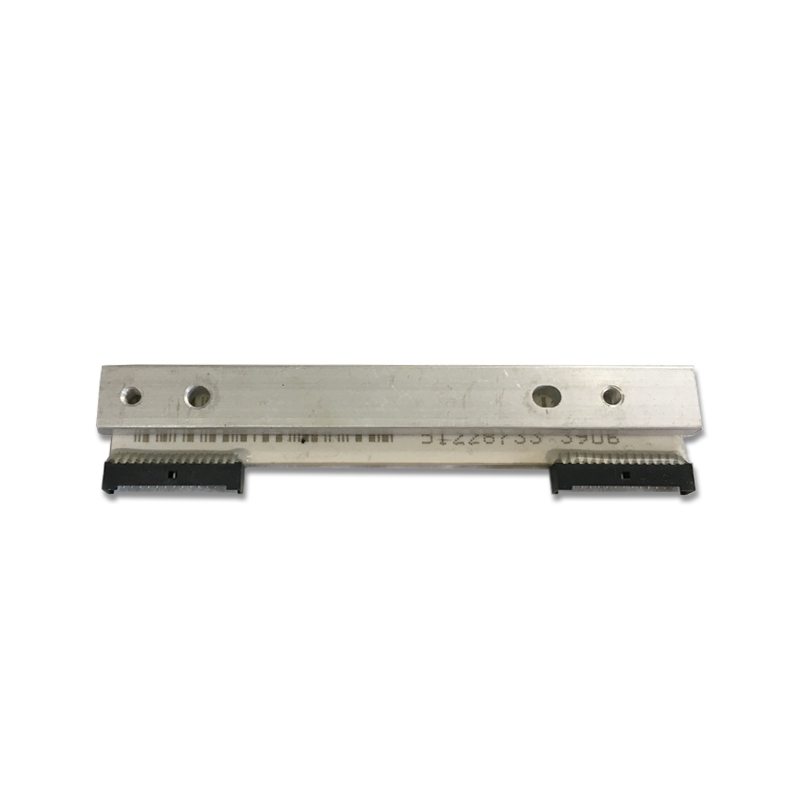
| Thermal printhead | Faint or missing dots (thermal models) | — |
| Auto-cutter | Jams or won't cut cleanly | — |
| Platen roller | Feed problems, smudging, uneven print | — |
| Ribbon (SP700) | Faded impact print — replace the ribbon first | — |
| Impact head (SP700) | Missing columns after the ribbon is good | — |
| Power supply | Dead / intermittent — see PSU guide | — |
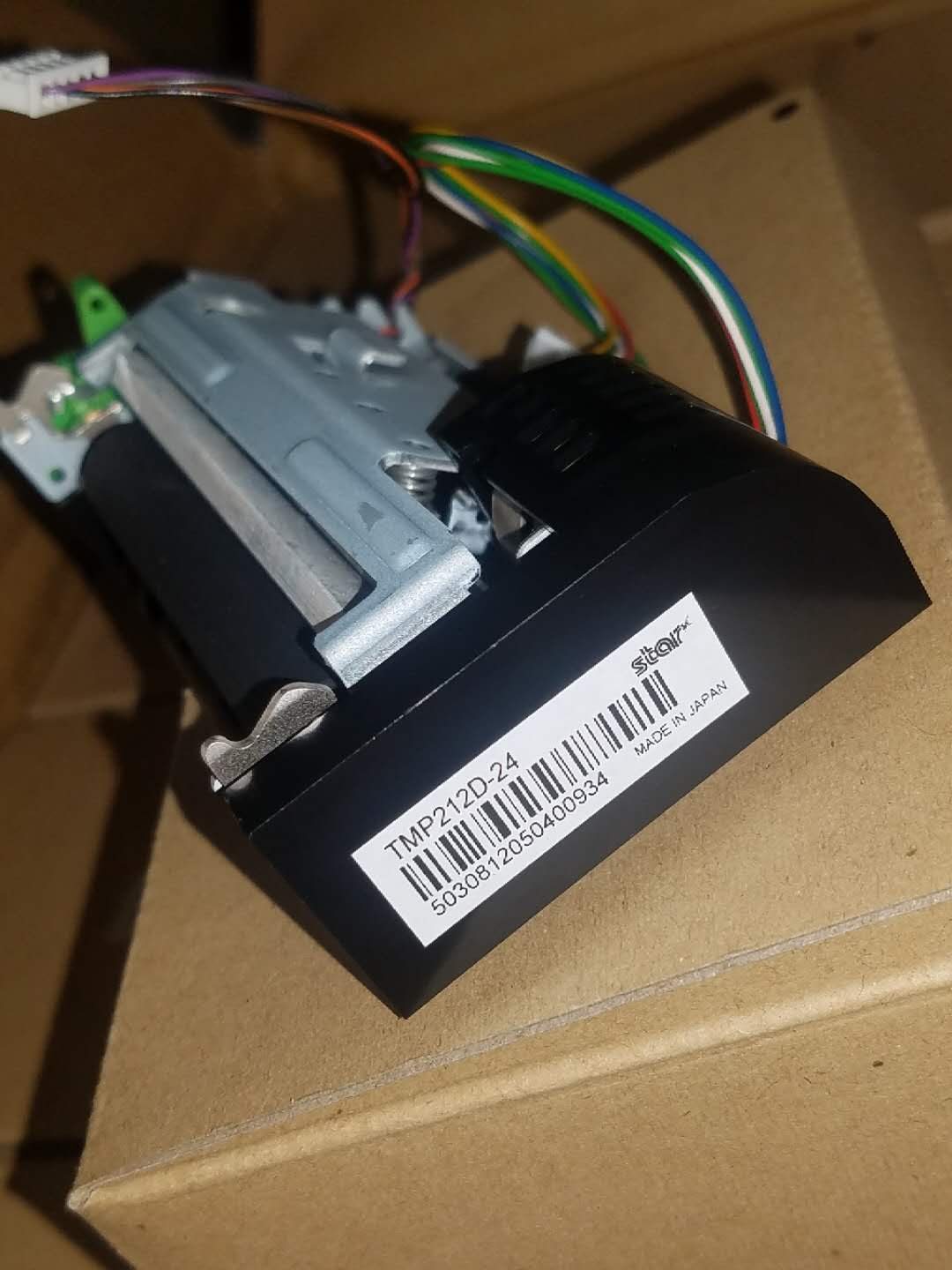
Browse Star printers and spares in our Star Micronics parts category, printheads in thermal print heads, and other models in POS printers. For replacement technique and troubleshooting, see our printhead replacement and printer troubleshooting guides. Tell us your exact Star model and revision and we’ll match the right part.
Frequently Asked Questions
What's the difference between the Star TSP100 and TSP650 series?
Which Star printer is the fastest?
When should I choose the SP700 impact printer instead of a thermal Star?
What is the TSP143, and how does it relate to the other lines?
Do I need the wide TSP800 series?
What parts wear out on a Star printer, and can I replace them?
Sources & further reading
- Difference between the TSP100 and TSP650 series — Star Micronics
- What's the difference between Star's lines of receipt printers? — POSGuys
- The 5 Best Star Receipt Printers — Star Micronics
- TSP100III Series — Star EMEA
- TSP700II Series — Star EMEA
Related guides
POS Touchscreen Technologies Compared: Resistive vs Capacitive vs SAW vs Infrared
Projected capacitive has become the retail default — but resistive, SAW and infrared each still win in the right environment. Here's how the four POS touch technologies actually differ, and which fits your counter.
Read guide →Bixolon Receipt Printers Compared: SRP-350III vs SRP-330III vs SRP-Q300 (and the Parts That Wear)
Bixolon's SRP range spans a high-endurance flagship, a value 80 mm workhorse and an ultra-compact cube. Here's how they differ on speed and durability — and the parts each one needs over its life.
Read guide →Dot Matrix vs Thermal POS Printers: A Total-Cost-of-Ownership Comparison for Retail and Hospitality
Thermal printers won the front-of-house decades ago, but dot matrix is still the right answer for kitchens, multi-part forms and hot environments. Here is the framework for getting it right at scale.
Read guide →Related categories
Featured parts in this guide


Need the parts mentioned in this guide?
Genuine OEM and quality-tested aftermarket parts for IBM, Toshiba, NCR, Diebold, Wincor and Hyosung systems — with worldwide shipping.