
UPS & Power Protection for POS and ATM: Choosing the Type, VA Rating, Runtime and What to Plug In
A buying guide to power protection for POS and ATM systems — UPS vs surge protector, standby vs line-interactive vs online types, how to size VA and watts with power factor and headroom, runtime, and what to protect.
The quick answer
A momentary power blip can corrupt a transaction, jam a mid-print receipt, or knock a till offline at the worst moment. A UPS prevents all of that — but only the right type, sized correctly, with the right gear plugged in. The essentials:
| If you need… | Choose | Why | |
|---|---|---|---|
| Spikes only (lowest cost) | Surge protector | Clamps surges — but nothing for outages/brownouts | — |
| A standard retail till | Line-interactive UPS | Surge + brownout (AVR) + battery; the usual choice | — |
| ATM / critical / dirty power | Online (double-conversion) UPS | Continuous clean power, no transfer gap | — |
| Single low-criticality PC | Standby UPS | Basic battery backup at the lowest UPS price | — |
What bad power does to a POS or ATM
“Bad power” isn’t just blackouts. Three power problems hit POS and ATM hardware, and a UPS addresses all three where a surge strip addresses only one:
| Power event | What it does | Surge strip | UPS | |
|---|---|---|---|---|
| Surge / spike | Can damage electronics & PSU | Clamps it | Clamps it | — |
| Sag / brownout | Resets/instability, stresses PSU | No help | Corrects (AVR) | — |
| Outage | Lost sale, corrupt transaction/DB | No help | Battery rides through | — |
The cost of skipping protection isn’t hypothetical: a power loss mid-transaction can corrupt the day’s data, an ATM that drops power abruptly can fault its modules, and a surge can take out a power supply or mainboard outright. A UPS is cheap insurance against all of those.
UPS types: standby, line-interactive, online
Three UPS topologies, in rising order of protection and price:
| Standby | Line-interactive | Online (double-conversion) | |
|---|---|---|---|
| Brownout handling | Switches to battery | Corrects with AVR (saves battery) | Always regenerated |
| Transfer gap on outage | Small | Small | None (zero-transfer) |
| Power cleanliness | Basic | Good | Best (continuous clean) |
| Cost | Lowest | Moderate | Highest |
| Best for | Single non-critical PC | Most retail POS | ATMs, critical, dirty power |
Sizing: VA, watts, power factor and runtime
Size on both VA and watts, then add headroom. The method:
| Term | What it means for sizing | |
|---|---|---|
| Watts (W) | Real power your gear draws — the UPS watt rating must exceed it | — |
| VA (volt-amps) | Apparent power; VA = watts ÷ power factor (≈0.6–0.9) | — |
| Headroom | Add 20–30% so the UPS isn't at its limit | — |
| Runtime | Typically ~5–20 min at POS loads; lighter load = longer | — |
| Surge rating (joules) | Higher joules = more surge energy absorbed | — |
Choosing by deployment
A short path from your site to the right unit:
- 1
How critical is uptime?
ATM or a site that can’t tolerate any gap or dirty power → online (double-conversion). A standard retail till → line-interactive. Just spike protection on a non-critical device → a surge protector. - 2
Add up the load
Total the watts of the terminal, monitor, receipt printer and network gear, convert to VA via power factor, and add 20–30% headroom. - 3
Decide runtime
A few minutes for safe ride-through/shutdown is enough for most. Need longer (ATM, card processing through long cuts)? Choose a model with external battery packs. - 4
Plan the outlets
Battery-backed outlets for the terminal, critical printer and network gear; surge-only outlets for non-critical loads. Keep heavy loads off the UPS.
What to protect, and keeping it healthy
A UPS is only protection if its battery is healthy and the right things are on it. Two rules:
| Practice | Detail | |
|---|---|---|
| Plug in the right loads | Terminal + critical printer + network gear on battery; heavy/non-critical on surge-only or elsewhere | — |
| Don't overload it | Stay within VA and watt ratings, with headroom | — |
| Replace the battery | Consumable — typically ~3–5 years; degrades silently | — |
| Test periodically | A worn battery can pass a quick test but fail under real load | — |
| Keep it cool | Heat shortens battery life — ventilate, avoid hot spots | — |
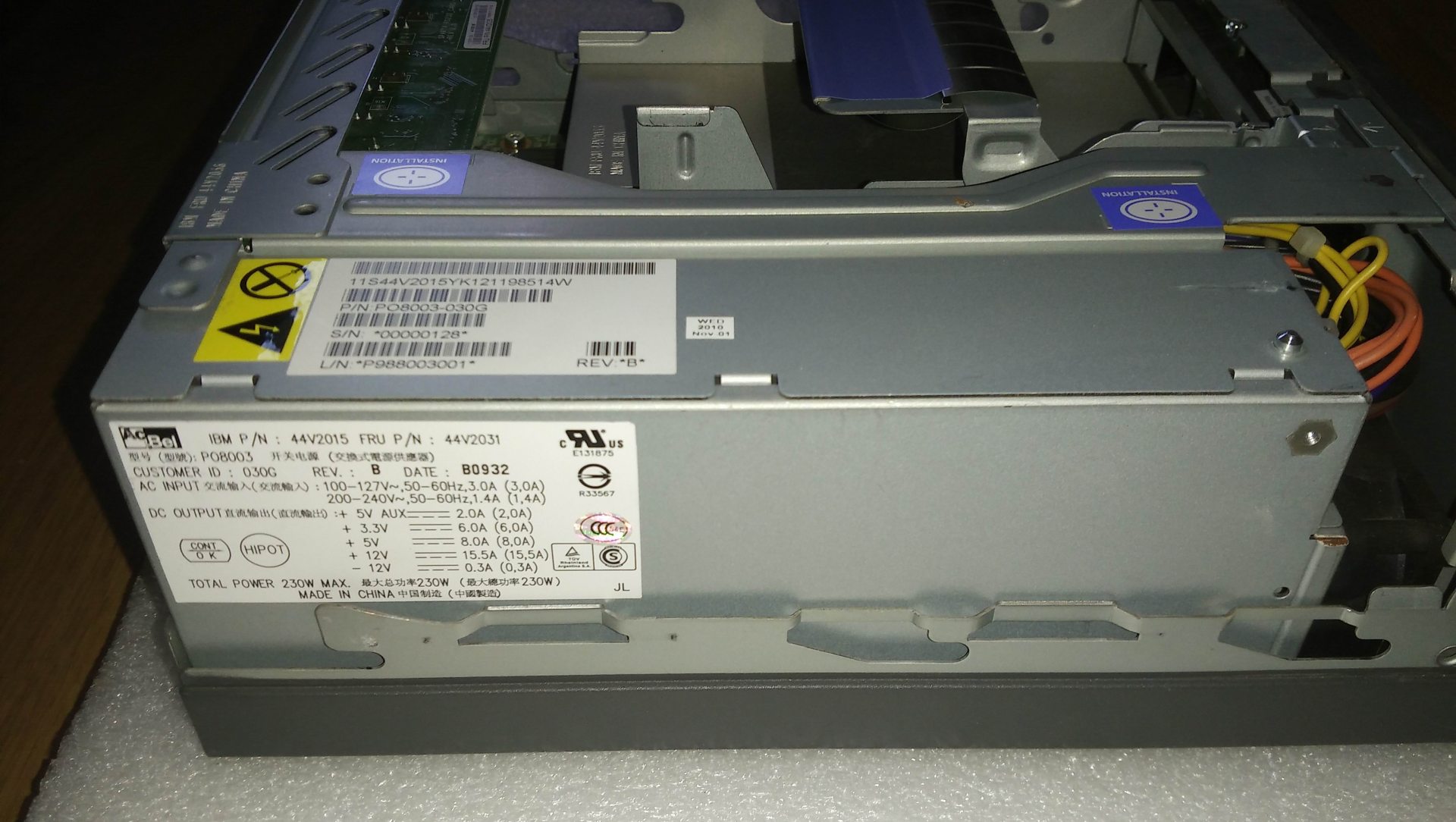
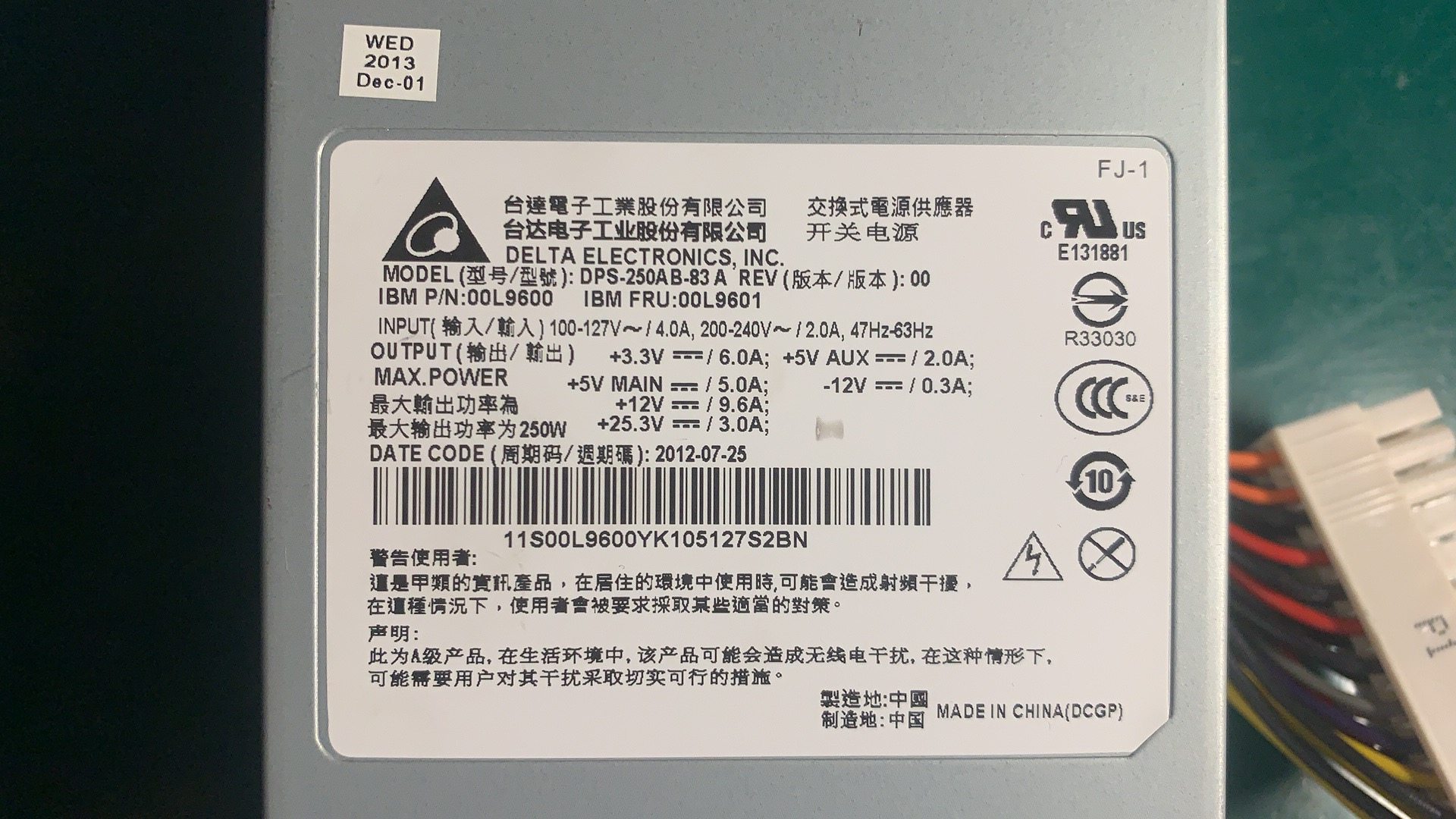
Browse power supplies and protection in our power supplies category, related parts in terminal repair parts, and cooling in cooling parts. If a terminal is already showing power faults, see our power supply failure diagnosis and overheating & cooling guides. Tell us your equipment list and we’ll help size the right protection.
Frequently Asked Questions
What's the difference between a UPS and a surge protector for a POS?
Which UPS type should a POS terminal use?
How do I size a UPS for my POS — VA or watts?
How long will a UPS keep my POS running?
What should I actually plug into the UPS?
How often does a UPS battery need replacing?
Sources & further reading
- UPS Buying Guide: Selecting a Battery Backup System — Schneider Electric (APC)
- UPS and Power Management Fundamentals Handbook — Eaton
- Different Types of UPS: A Comprehensive Guide — Comms Express
- Small Business UPS Guide: Protect Servers & POS Systems — EcoFlow
- Which UPS System Is Right for You? — Batteries Plus
Related guides
All-in-One vs Modular POS Terminals: Which to Buy (and How Each Affects Repairs)
All-in-one is tidy and fast to deploy; modular is flexible and cheaper to upgrade and repair. The right answer depends on your size, growth plans — and how you want failures handled. Here's the honest comparison.
Read guide →Barcode Scanner Buying Guide: 1D Laser vs 2D Imager, Corded vs Wireless, Handheld vs Hands-Free
Two questions decide most of it: do you need to scan phone screens (then 2D), and is your counter busy enough to want hands-free? Here's how scanner technology, form factor and connection map to real retail use.
Read guide →Receipt Printer Auto-Cutters: Guillotine vs Rotary, Partial vs Full Cut, and Blade Life
Guillotine or rotary? Partial or full cut? The cutter is the most-used moving part in a receipt printer — choosing the right type and cut mode keeps the lane fast and the receipts tidy. Here's how they differ.
Read guide →Related categories
Featured parts in this guide
%20Sparta%20Riser%20Card/120c399634d85265f7a7595a979407ee_c48b4b186f0a2eea2b86d0d5a86c219e_s-l1600.jpg)
Need the parts mentioned in this guide?
Genuine OEM and quality-tested aftermarket parts for IBM, Toshiba, NCR, Diebold, Wincor and Hyosung systems — with worldwide shipping.